A Beginner's Guide to Sublimation Printing on T-Shirts, Caps, and Mugs


Introduction to Sublimation Printing
Sublimation printing is a popular method for creating vibrant, long-lasting designs on a variety of surfaces. It's especially popular for customizing t-shirts, caps, and mugs. If you're a beginner, this guide will walk you through the basics of sublimation printing and how you can get started with your own projects.
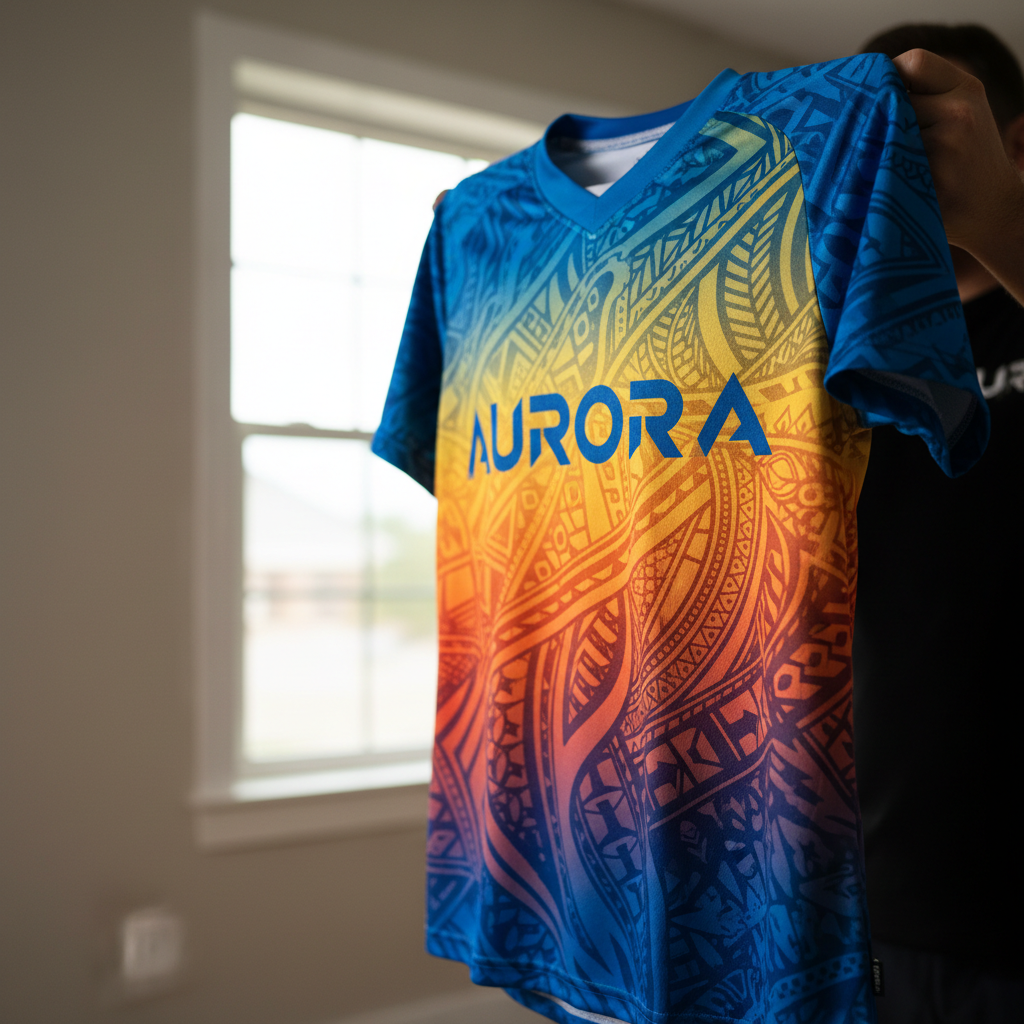
Unlike traditional printing methods, sublimation uses heat to transfer dye directly into the fabric or material, resulting in a design that won't crack or peel over time. It's a great choice for those looking to produce high-quality, durable prints.
Getting Started with Sublimation
Before you begin, you'll need to gather some essential equipment and materials. The key items include:
- Sublimation Printer: A specialized printer that uses sublimation ink.
- Sublimation Ink: Special ink that turns into gas when heated.
- Heat Press: A machine that applies heat and pressure to transfer the design.
- Sublimation Paper: Paper that holds the ink during the transfer process.
- Blanks: The items you want to print on, such as t-shirts, caps, and mugs, which must be polyester or polymer-coated.
Choosing the Right Substrates
When it comes to sublimation printing, not all materials are created equal. You'll need to choose substrates that are either made of polyester or have a special polymer coating. This is essential because sublimation ink only bonds with these materials.
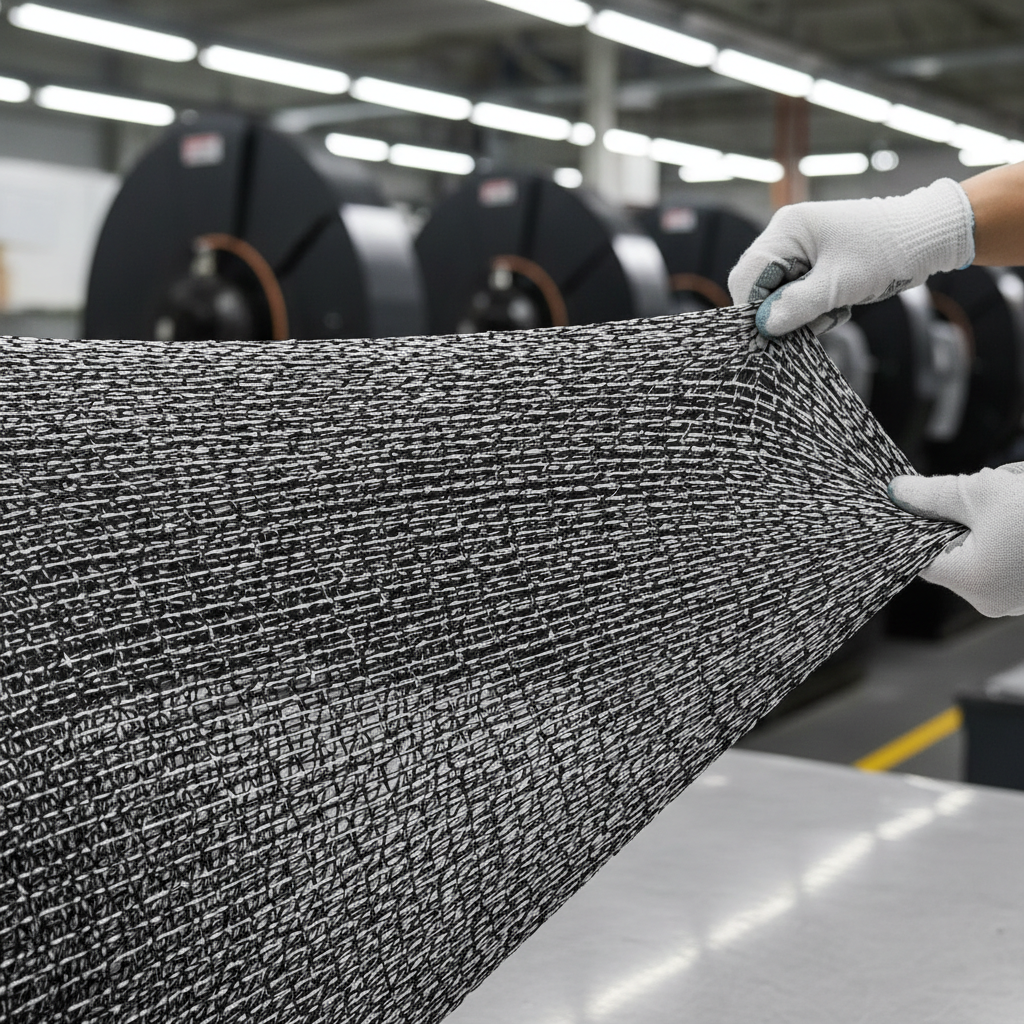
For t-shirts, a high polyester content will yield the best results. Caps and mugs should have a sublimation-friendly coating to ensure vibrant and long-lasting prints.
Designing Your Artwork
Creating the right design is a crucial step in the sublimation process. Use design software like Adobe Illustrator or CorelDRAW to craft your artwork. Make sure your design fits the dimensions of your substrate and consider the color profile settings for sublimation printing.
Keep in mind that colors may appear more vibrant on the computer screen than on the final product. It's a good idea to print a small test piece to check the color output before committing to a larger run.

Printing and Transfer Process
Once your design is ready, print it onto the sublimation paper using your sublimation printer. Make sure to mirror the image so it transfers correctly onto your substrate. Place the printed design face down on the item and use a heat press to apply the necessary heat and pressure.
The heat press settings will vary depending on the substrate, but a typical temperature is around 400°F (204°C), with a pressing time of about 60 seconds. Always refer to the manufacturer's instructions for specific settings.
Caring for Sublimated Products
One of the benefits of sublimation printing is its durability, but proper care can extend the life of your custom items even further. For t-shirts, wash them inside out in cold water and avoid using bleach. Mugs and caps can be hand washed or placed on the top rack of a dishwasher.
By following these care instructions, you can ensure that your sublimated products remain vibrant and intact for a long time, making sublimation printing a rewarding hobby or business venture.